Petra Schmitt · 2 September 2026
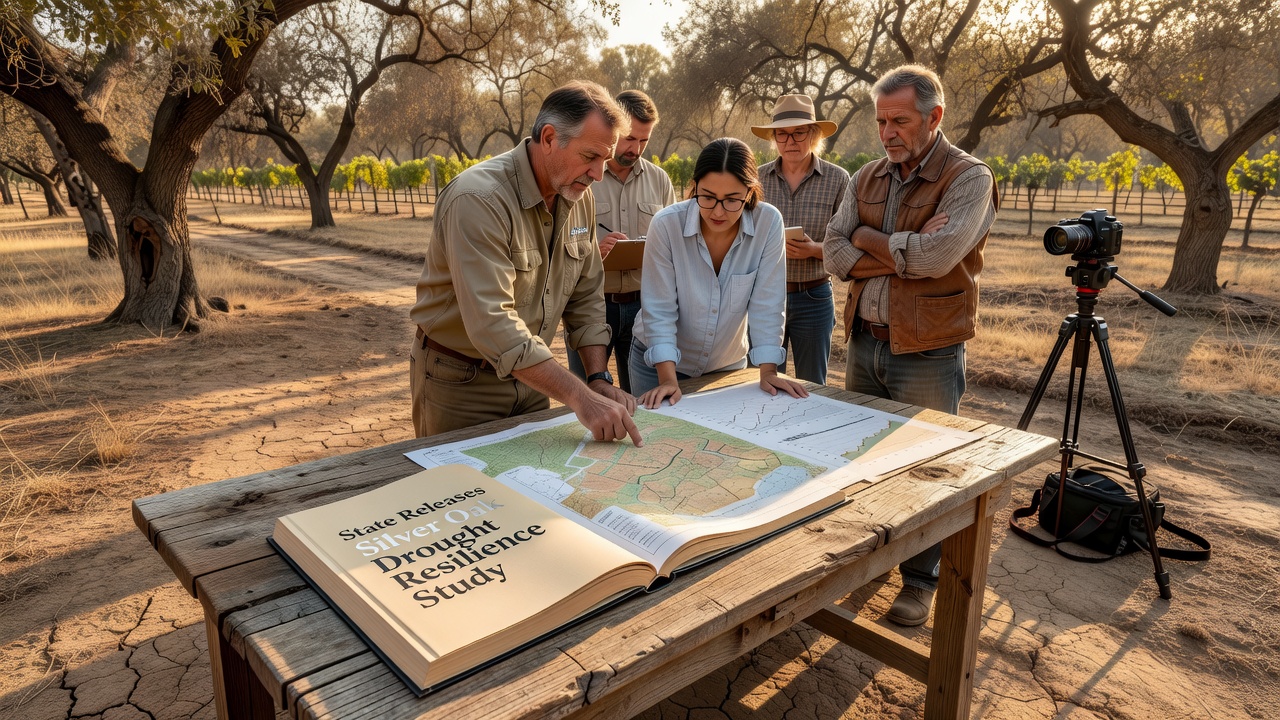
State researchers have released a new study examining drought resilience in the Silver Oak region. The report analyzes data collected over five years from multiple monitoring sites across affected watersheds and agricultural zones. Findings indicate that certain native plant species demonstrate higher survival rates during prolonged dry periods compared to previous assessments.
Key Findings of the Research
The study highlights that soil moisture retention improved by 18 percent in areas with restored native vegetation. Researchers recorded average temperature increases of 2.3 degrees Celsius during peak drought months, correlating with reduced groundwater levels. Data from 42 sampling stations showed that targeted irrigation strategies reduced crop loss by 27 percent in test plots. The report also notes variations in resilience based on elevation, with higher altitude zones experiencing faster recovery after rainfall events. Experts emphasize the role of community-led conservation efforts in maintaining ecosystem stability. Additional analysis covered impacts on local wildlife, including shifts in migration patterns for several bird species dependent on seasonal water sources.
Recommendations and Future Outlook
Researchers recommend expanding native plant restoration programs and updating water allocation policies to prioritize drought-resistant crops. The study suggests integrating real-time sensor networks to provide early warnings for agricultural stakeholders. Future research will focus on long-term climate modeling and partnerships with regional universities to develop adaptive farming techniques. Officials plan to incorporate these findings into statewide resource management frameworks by the end of the fiscal year. The report concludes that proactive measures could mitigate up to 40 percent of projected economic losses from future droughts. Continued monitoring remains essential to validate ongoing interventions and adjust strategies as environmental conditions evolve.