Uma Lorenz · 2 September 2026
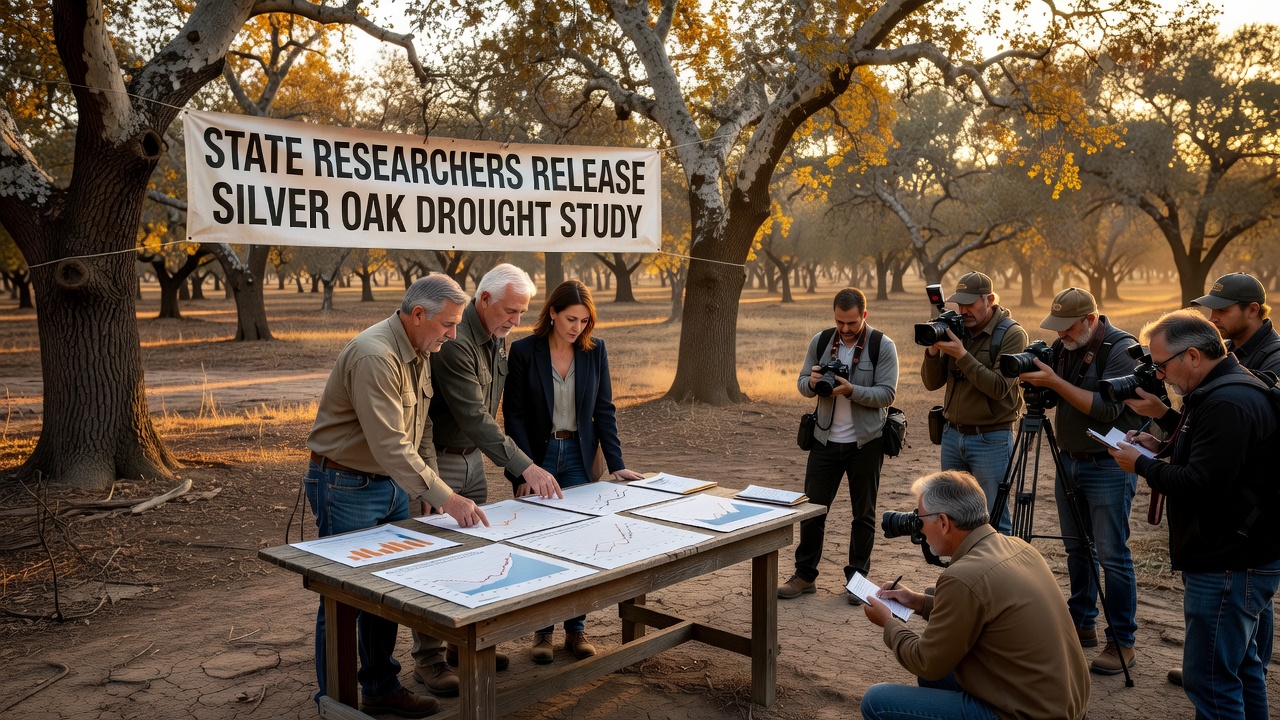
State researchers have released findings from a new drought resilience study focused on the Silver Oak region. The report examines water management practices and agricultural adaptations under prolonged dry conditions. Data collected over three years shows varying levels of soil moisture retention across different zones.
Study Methodology and Data
Researchers used satellite imagery combined with ground sensors to track precipitation patterns and vegetation health. Over 200 sites were monitored for changes in groundwater levels and crop yields. Results indicate that areas with native plant buffers maintained higher resilience compared to conventional farming plots. The study also reviewed historical records dating back two decades to identify trends in drought frequency. Experts noted that average annual rainfall has declined by 15 percent in the region since 2005. Recommendations include expanded use of drip irrigation and cover cropping to improve water efficiency. Local officials have begun reviewing the data for potential policy updates on land use planning.
Regional Impacts and Next Steps
Communities in Silver Oak stand to benefit from targeted interventions based on the report. Agricultural producers may see reduced losses during future dry spells if suggested practices are adopted. Environmental groups have praised the emphasis on ecosystem preservation alongside economic needs. Further research is planned to assess long-term effects of the proposed strategies. State agencies will host public meetings to discuss implementation timelines and funding options. The full report is available through the department of natural resources website for detailed review by stakeholders and residents alike. Overall the study provides a data-driven foundation for building stronger drought preparedness in the area.